
.svg)






%201.png)
The ecommerce landscape is evolving at breakneck speed, with fierce competition and record-breaking growth forecast for 2026. Choosing among the top ecommerce development companies has never been more critical for brands aiming to scale and succeed online. This guide spotlights 12 industry leaders shaping the future of digital retail, highlighting their features, pricing, and unique benefits. Whether you are seeking a specialist Shopify development agency or comprehensive digital transformation, discover which partner aligns best with your goals.
Key Trends Shaping Ecommerce Development in 2026
The ecommerce landscape is evolving rapidly, and the strategies of the top ecommerce development companies are shaped by these emerging trends. Staying ahead of the curve is essential for those looking to build scalable, future-proof online stores. Let us explore the most significant trends set to define 2026.
Rise of AI and Automation
Artificial intelligence is at the heart of modern ecommerce. The top ecommerce development companies are leveraging AI to deliver personalisation, smarter chatbots, and advanced predictive analytics. Automation is streamlining inventory management, customer service, and marketing workflows.
For example, agencies are integrating AI-powered recommendation engines to drive higher conversion rates. If you want to understand how AI is revolutionising ecommerce, AI-Powered Personalization in Ecommerce offers valuable insights.
Omnichannel Commerce and Mobile-First Experiences
Customers expect a seamless experience across every device and platform. The top ecommerce development companies focus on building responsive designs and integrating mobile apps for smooth transitions from web to mobile.
With mobile transactions now making up over 55% of all ecommerce sales, optimising for mobile is no longer optional. Agencies are prioritising mobile-first strategies and omnichannel integration to meet rising consumer expectations.
Security, Compliance, and Scalability
Security is a non-negotiable priority for ecommerce in 2026. Top ecommerce development companies are enhancing data protection, ensuring GDPR and PCI DSS compliance, and building systems that scale easily.
Agencies now offer enterprise-level security solutions, enabling businesses to handle high traffic and expand internationally with confidence. Scalability is essential for supporting growth without compromising user experience or safety.
Headless & Composable Commerce
Headless CMS and composable architectures are gaining traction among top ecommerce development companies. This approach separates the frontend and backend, allowing brands to adapt quickly to new technologies and market shifts.
Composable commerce enables rapid integration with new tools and channels, making it easier to launch innovative digital experiences. It is a flexible solution for businesses aiming to stay competitive.
Integration with Social Commerce and Marketplaces
Selling on multiple channels is more important than ever. Top ecommerce development companies are building custom integrations with platforms like Instagram, Facebook Shops, and Amazon.
These solutions help brands reach broader audiences and streamline multichannel sales operations. Agencies that offer seamless marketplace and social commerce integration provide significant advantages for ambitious retailers.
Data-Driven Optimisation & SEO-First Development
Data is the backbone of digital growth. Top ecommerce development companies use analytics and SEO-first strategies to improve site performance and grow organic traffic.
Agencies with a proven track record in technical SEO and conversion rate optimisation help businesses achieve measurable results. Data-driven decision making is central to staying ahead in the competitive ecommerce market.
12 Top Ecommerce Development Companies to Know in 2026
With ecommerce advancing at breakneck speed, selecting the right development partner is more critical than ever. The landscape of top ecommerce development companies is dynamic, with new players and established leaders innovating to help brands scale, adapt, and thrive.
To help you navigate the crowded market, we’ve curated a list of the top ecommerce development companies shaping online retail in 2026. Our selection is based on reputation, technical expertise, client reviews, and a proven track record of innovation. Each company brings unique strengths in platform specialisation, service offering, and geographic reach, ensuring there’s an ideal fit for every business need.
Explore these company profiles to find your next strategic partner, whether you’re launching a new store, migrating platforms, or seeking a digital transformation.
Futur Media
Futur Media leads the way among top ecommerce development companies with a tailored approach to Shopify and Craft CMS solutions. Pricing is bespoke, ensuring a fit for each client’s vision and budget. Core offerings include Shopify web design, development, migration, Craft CMS builds, SEO, branding, and digital marketing.

The agency’s key benefit is its conversion-focused design, combining creativity with measurable results. Their deep UK market expertise makes them a top choice for SMEs, startups, and ecommerce brands seeking a local partner. Pros include a diverse portfolio and end-to-end digital services, while cons centre on custom pricing and a UK-centric focus.
Looking for more on Shopify specialists? Read our Shopify ecommerce development company guide.
nopStation
nopStation stands out among top ecommerce development companies as the #1 nopCommerce Gold Partner. Their pricing is project-based and tailored, ideal for mid-market to enterprise clients. Core features include development for nopCommerce, Shopify, Magento, WooCommerce, plus mobile apps and plugin/theme creation.
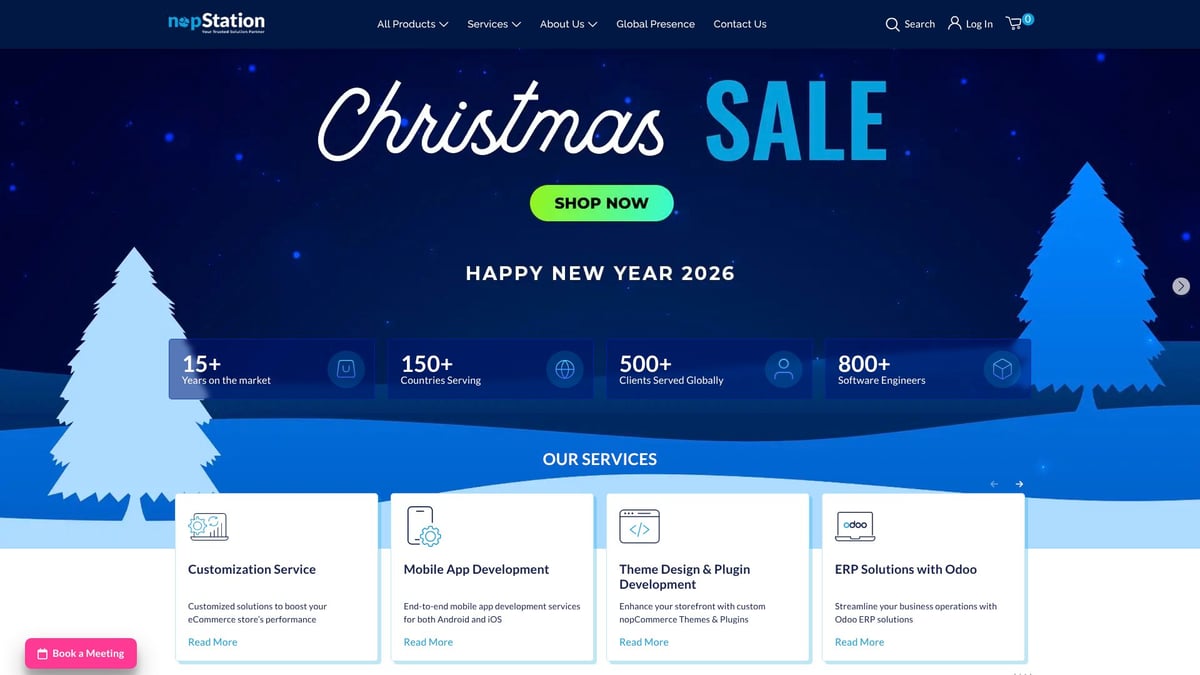
Key benefits: enterprise-grade security, over 100 certified developers, and scalability for complex projects. Pros are deep platform expertise and global reach. The main con is a focus on the .NET stack, which may not suit small budgets or those needing other technologies.
Fourmeta
Fourmeta is one of the top ecommerce development companies for brands seeking accredited Shopify Plus expertise and innovative UX/UI. Pricing is custom, based on project scope. They specialise in headless commerce, turbo workshops, and brand strategy for D2C brands and global businesses.
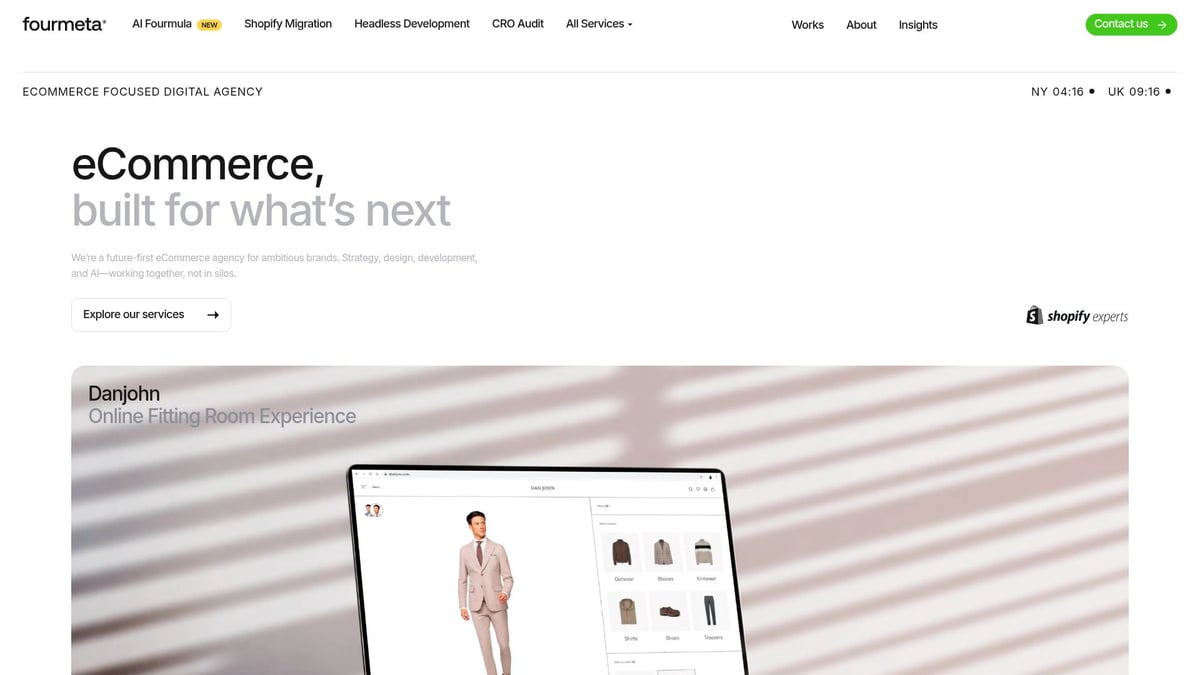
Their conversion optimisation workshops set them apart, helping clients maximise ROI quickly. Pros include Shopify Plus specialisation and rapid results, while cons are a Shopify-centric approach and price-on-request model.
DigitHaus Agency
DigitHaus Agency has earned its place among top ecommerce development companies through elite BigCommerce skills and strong Shopify Plus experience. Pricing is custom and varies by project complexity. Their core services include re-platforming, UX design, and seamless migrations.
The agency is best suited for brands needing expert migration or re-platforming. High client satisfaction and technical depth are major pros, while being US-based and less suitable for micro-businesses are the main cons.
SPD Technology
SPD Technology is a leader among top ecommerce development companies, especially for enterprises seeking advanced AI, payment, and cloud solutions. Pricing is project-based, typically mid to high range. Their expertise spans AI/ML, payment systems, cloud development, and DevOps.
The agency’s multi-industry experience and strategic, AI-driven solutions benefit fintech, legal, insurance, and ecommerce sectors. Pros are advanced tech stack and AI/ML capabilities, while a higher minimum project size is a potential drawback.
Zazz
Zazz is among the top ecommerce development companies for businesses needing rapid scaling and custom solutions. Pricing starts at $25/hr, with projects typically above $10,000. The agency excels in custom web and mobile development, UI/UX, and team augmentation.
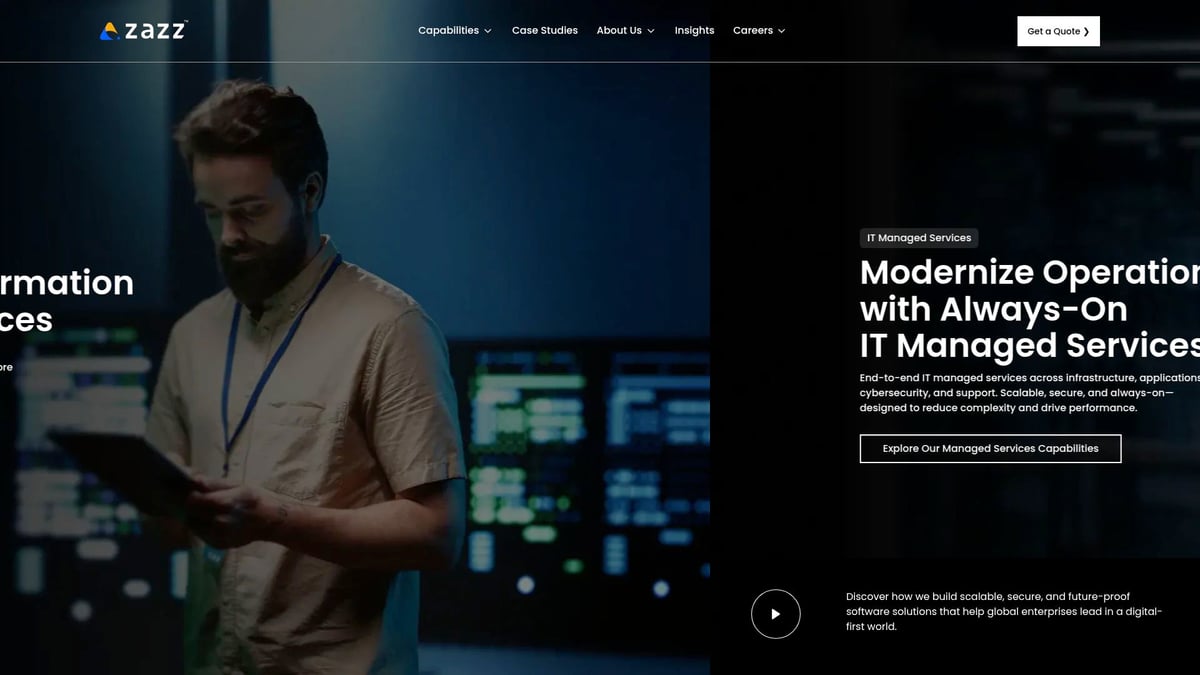
Clients benefit from Zazz’s agile approach and digital transformation focus. It’s ideal for companies filling talent gaps or requiring fast delivery. The cons are US-centric operations and lack of platform specialisation.
Code District
Code District ranks high among top ecommerce development companies for complex, scalable solutions. Pricing ranges from $25–$49/hr, with a $10,000 minimum. Their services include cloud, AI/data engineering, and digital consulting.
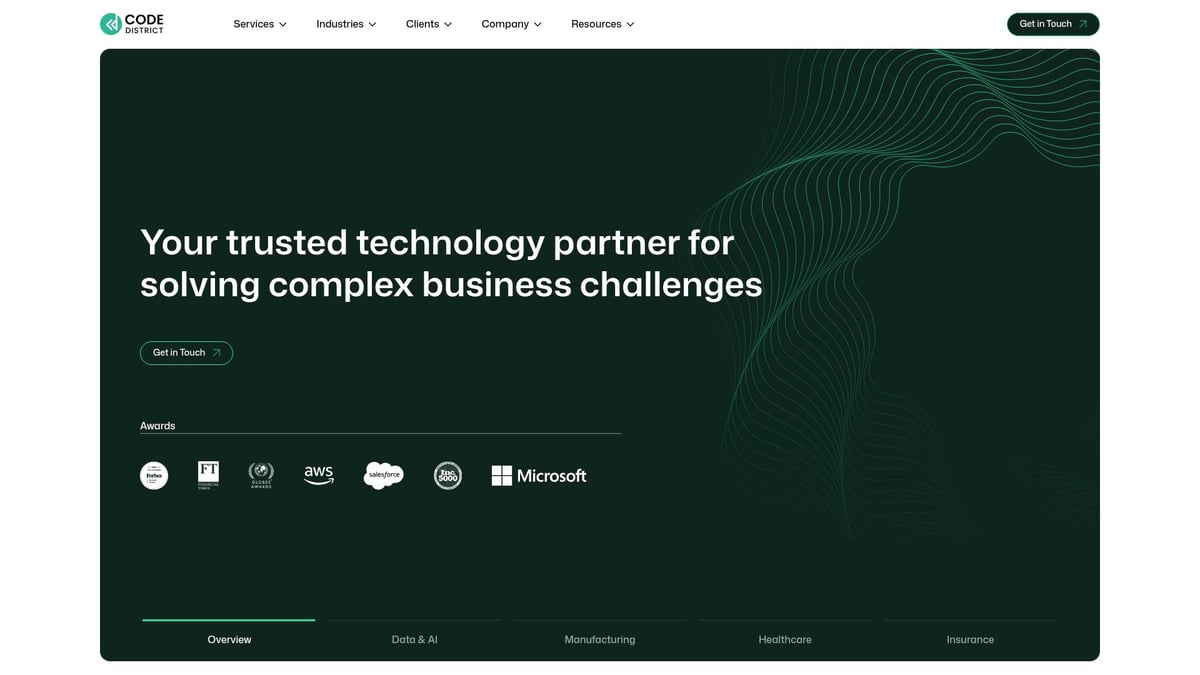
Large teams and award-winning expertise deliver software efficiency for businesses with demanding requirements. Pros are broad technical skill sets, while cons include being potentially overqualified for basic ecommerce sites.
Plavno
Plavno is one of the top ecommerce development companies for brands looking to leverage AI, Web3, and agile innovation. Pricing is custom, based on project needs. Their core capabilities include AI/ML, experimental ecommerce features, and agile development practices.
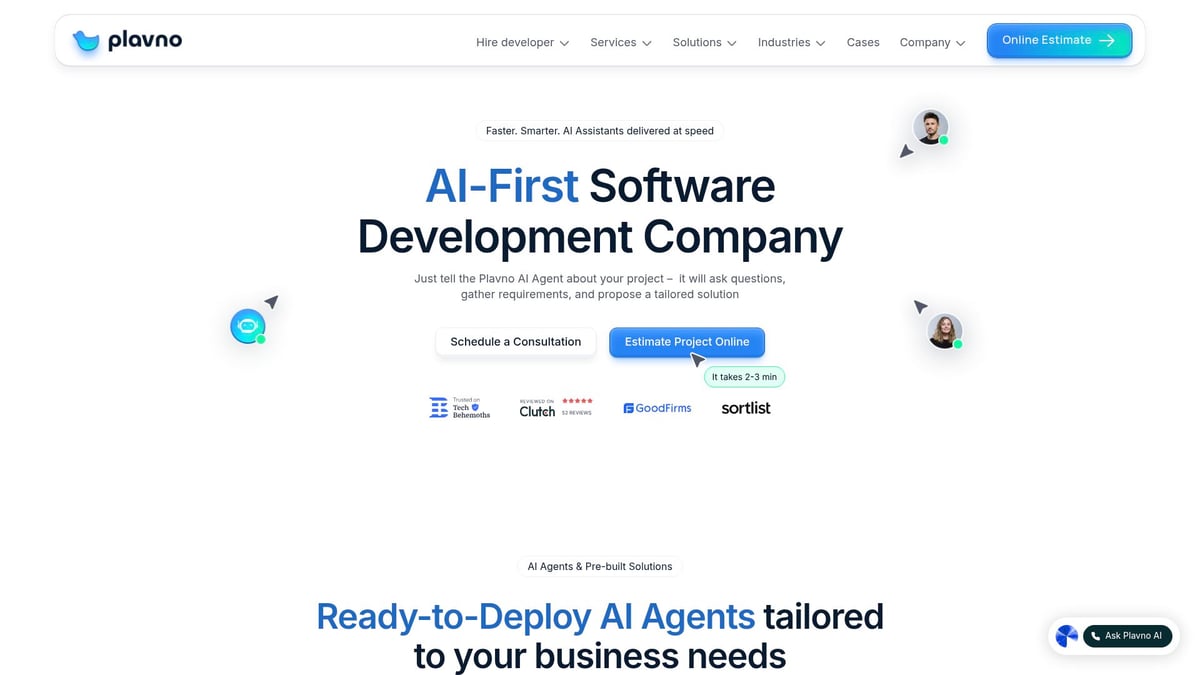
Their future-ready approach suits forward-thinking brands and startups. Pros are innovation and agility, while the niche focus may not align with traditional retailers’ needs.
Magneto IT Solutions
Magneto IT Solutions is a fixture among top ecommerce development companies, with a strong focus on Magento and composable commerce. Pricing is $25/hr, with a $10,000 minimum. Services include full-stack digital ecosystems, PIM, CRM, and OMS integration.
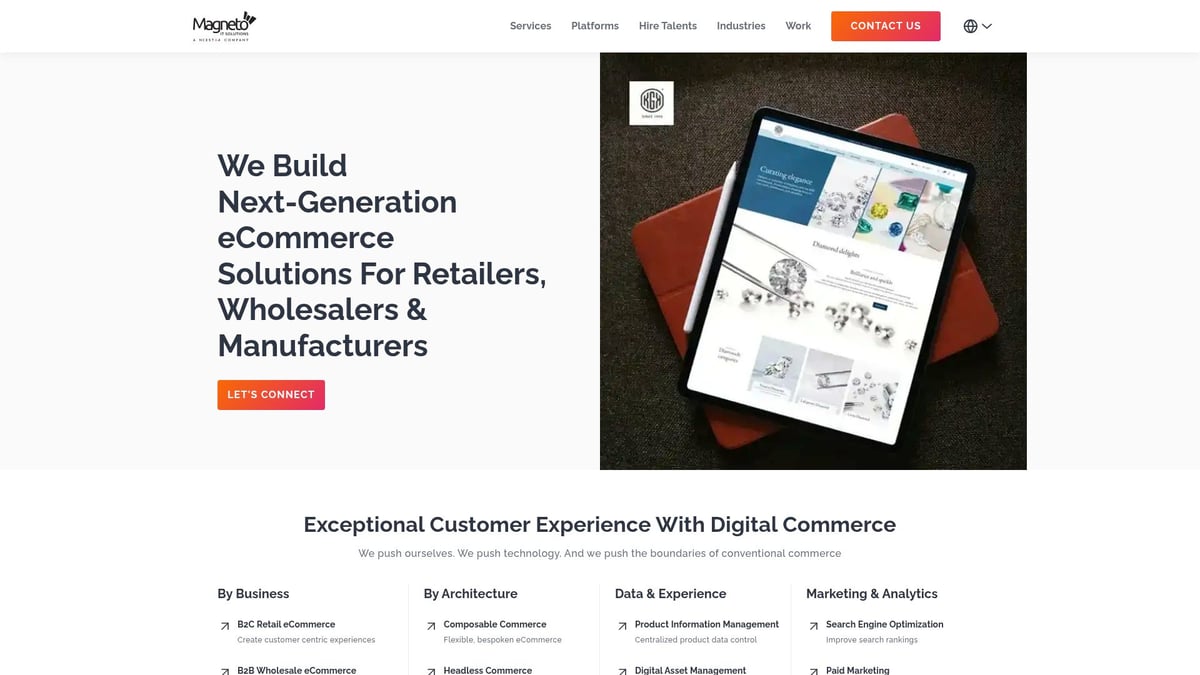
The agency’s strengths lie in B2B and D2C expertise, scalability, and an integrative approach. Pros include robust solutions for enterprise growth, while the Magento-centric focus may not suit smaller businesses.
SmartSites
SmartSites is recognised among top ecommerce development companies for its versatility in WordPress, Shopify, PPC, and web maintenance. Pricing is custom, reflecting a wide array of services. With over 900 successful projects, they blend web development with digital marketing.

SMEs and mid-sized companies benefit most from their integrated approach. Pros are versatility and strong marketing integration. The broad focus may be less appealing to those seeking platform-specific specialists.
Emizen Tech Pvt Ltd
Emizen Tech Pvt Ltd is a respected name among top ecommerce development companies, delivering Magento, WooCommerce, and custom enterprise solutions. Pricing is custom and competitive, with a reputation for fast delivery and PHP stack expertise.
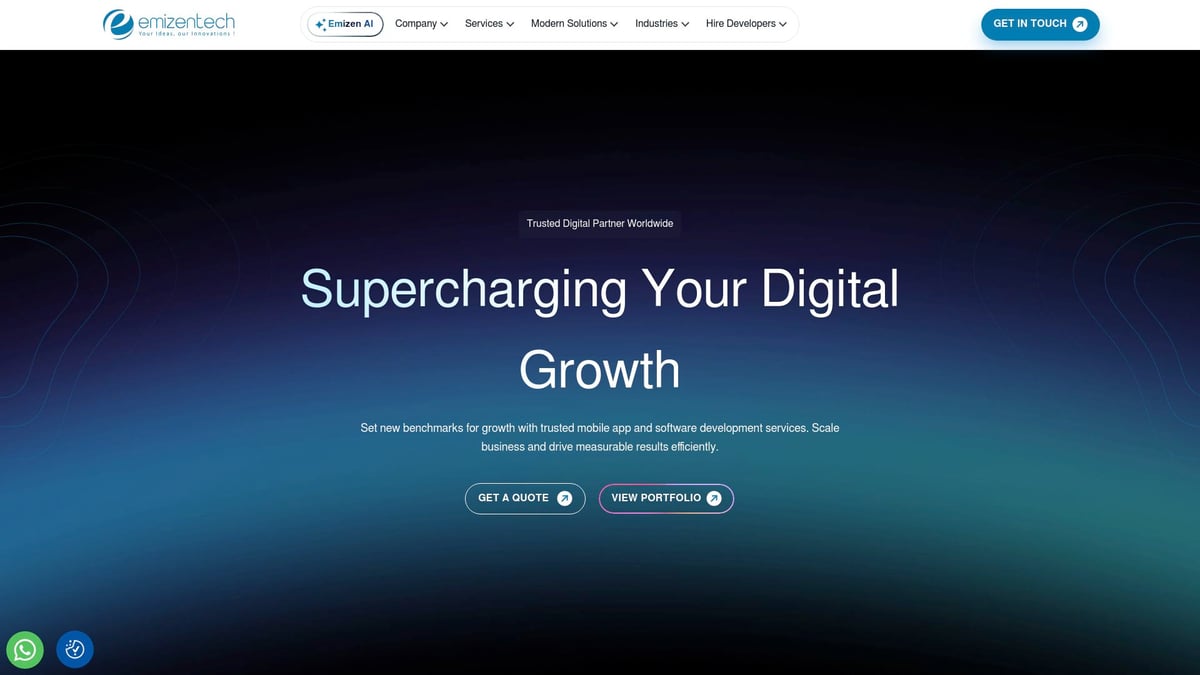
The agency’s certified team brings enterprise innovation and rapid customisation to clients. Pros are deep technical skills and speed, while the focus on PHP may not suit those needing Shopify or .NET specialists.
Suffescom Solutions Inc
Suffescom Solutions Inc rounds out our list of top ecommerce development companies, offering Magento, mobile app, and PWA expertise. Pricing ranges from $10,000–$25,000, with tailored hourly rates. Their experience spans native and cross-platform builds, with a mobile-first approach.
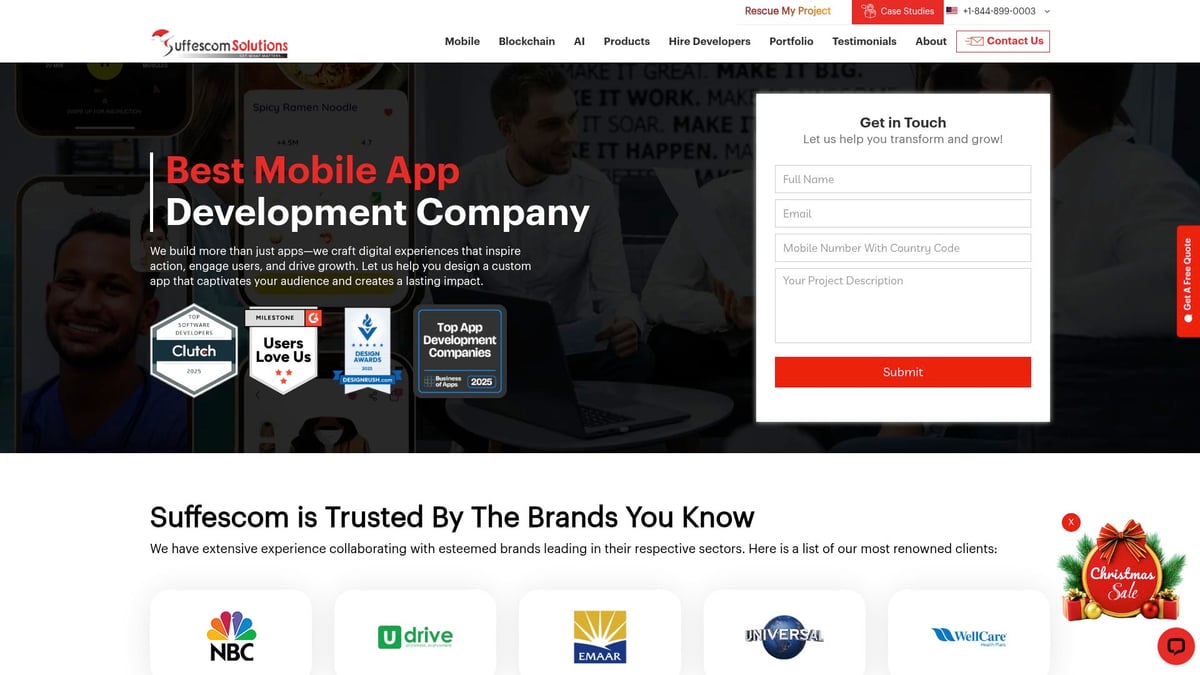
Clients across industries, from banking to gaming, value their versatility and tailored mobile solutions. Pros are experience and mobile commerce focus, while the minimum project size and US base may be limiting for some.
Comparison Table: Top Ecommerce Development Companies
CompanyCore PlatformsKey StrengthsPricingTarget AudienceFutur MediaShopify, Craft CMSUK expertise, creativeCustomUK SMEs, startupsnopStationnopCommerce, Shopify.NET stack, certifiedProject-basedMid-market, globalFourmetaShopify Plus, HeadlessWorkshops, conversionCustomD2C, scaling brandsDigitHausBigCommerce, ShopifyMigration, re-platformCustomBrands migratingSPD TechnologyAI, Cloud, PaymentsAI/ML, enterpriseMid-high projectEnterprisesZazzCustom, Mobile, WebAgile, scaling teams$25/hr+Rapid scalingCode DistrictCloud, AI, ConsultingAward-winning, scalable$25–$49/hrComplex projectsPlavnoAI, Web3, AgileInnovation, future-readyCustomStartups, brandsMagneto ITMagento, ComposableB2B/D2C, integration$25/hr+Growth brandsSmartSitesWordPress, ShopifyMarketing+web blendCustomSMEs, mid-sizeEmizen TechMagento, WooCommerceFast, certified teamCustomEnterprisesSuffescomMagento, Mobile, PWAMobile-first, versatile$10k–$25k+Mobile commerce
When reviewing top ecommerce development companies, use this table to compare core offerings, strengths, and audience fit. Each agency brings unique value, so align your selection with your business goals, budget, and future plans.
How to Select the Right Ecommerce Development Partner
Choosing a partner from the top ecommerce development companies can make or break your digital strategy. The right agency not only delivers technical expertise but also aligns with your vision, goals, and growth trajectory.
Define Your Ecommerce Goals and Requirements
Start by clarifying your business objectives and must-have features. Are you focused on rapid sales growth, brand-building, or launching into new markets? The top ecommerce development companies will work with you to translate these goals into tangible deliverables.
Outline your target audience and the user experience you want to achieve. Setting clear KPIs, such as conversion rates or average order value, helps you and your partner measure success.
Evaluate Platform Expertise and Certifications
Not all agencies are equal in platform specialisation. Investigate whether your shortlisted partner is certified in Shopify, Magento, nopCommerce, or other platforms relevant to your needs. Certifications reflect technical expertise and a commitment to ongoing learning.
Top ecommerce development companies often showcase their badges and accreditations, signalling deep knowledge and trusted capabilities. This is especially crucial for complex builds or when integrating multiple systems.
Analyse Portfolio and Case Studies
Request to see recent projects and case studies. Review the diversity of their portfolio, the industries they have served, and the problems they have solved. Look for examples where the agency delivered measurable results, such as increased sales or improved site speed.
A strong track record in your sector is a positive indicator. Agencies that share transparent case studies demonstrate both experience and accountability.
Assess Client Reviews and Reputation
Client feedback is essential when narrowing down top ecommerce development companies. Read verified testimonials and third-party ratings to gauge communication quality, project delivery, and ongoing support.
Platforms like Clutch or Trustpilot provide independent reviews. Agencies with consistently high ratings are more likely to deliver a smooth, professional experience. For more guidance, consider reading Working with an ecommerce partner for tips on evaluating collaboration.
Compare Pricing Models and Value
Understand each agency’s pricing structure. Some offer end-to-end packages, while others provide modular services. Clarify minimum project sizes, hourly rates, and what is included.
Create a comparison table to simplify your decision:
Agency ModelProsConsAll-in-oneSimpler managementHigher upfront costsModularFlexibility, scalabilityPotential for scope creep
Ensure you receive value for investment, not just the lowest quote.
Consider Ongoing Support and Scalability
Ecommerce is not static. Your chosen partner should offer maintenance, upgrades, and future-proofing. Ask about their support tiers and response times.
Scalability is vital for handling traffic spikes or international expansion. Top ecommerce development companies provide long-term partnerships that adapt to your business evolution. For best practices, explore Ecommerce web design and development to see what ongoing support can involve.
Match Agency Strengths to Your Use Case
Align the agency’s specialisms with your needs. If you need a mobile-first approach or advanced AI features, prioritise those with proven expertise in these areas.
For example, select Shopify specialists for D2C brands, or Magento experts for B2B complexity. This ensures your investment delivers maximum impact and positions you for scalable success.
Ecommerce Development Platforms: Choosing the Best Fit for Your Business
Selecting the right platform is a critical decision when working with top ecommerce development companies. The ideal choice supports your growth, streamlines operations, and delivers seamless customer experiences. Leading options include Shopify, Magento, nopCommerce, WooCommerce, BigCommerce, and Craft CMS, each with unique strengths for various business models.
PlatformStrengthsTypical Use CaseShopifyUser-friendly, scalableD2C brands, rapid launchMagentoHighly customisable, robustComplex B2B or large cataloguesnopCommerce.NET, enterprise-readyEnterprises needing .NET solutionsWooCommerceFlexible, WordPress-basedSMEs, content-driven shopsBigCommerceSaaS, multi-channelGrowing brands, integrationsCraft CMSCustom, content-richBrands needing unique experiences
For brands seeking maximum flexibility and custom features, Craft CMS stands out as a content-driven platform. It lets you craft unique digital experiences, especially when paired with agencies offering custom ecommerce web development to address specific business needs.
Many top ecommerce development companies provide expertise across multiple platforms. This versatility ensures you can align your platform choice with your operational requirements, budget, and future ambitions. Always match the platform’s capabilities to your growth plans for the best long-term results.
As you explore these top ecommerce development companies shaping the digital landscape in 2026, take a moment to consider how the right partnership can elevate your brand’s online potential. Whether you’re aiming to launch a new store, migrate platforms, or enhance your site’s performance, working with experts who understand your vision makes all the difference. If you’re ready to transform your ideas into a high performing, future proof ecommerce experience, let’s take the next step together.
Start Project