
.svg)



.webp)


%201.png)
Choosing the right shopify web designer can make or break your eCommerce venture. In 2026, successful online stores require more than attractive visuals-they demand strategic design that balances brand identity, user experience, conversion optimization, and technical performance. A skilled shopify web designer brings together these elements to create stores that not only look professional but also drive measurable revenue growth. Whether you're launching a new brand, redesigning an existing store, or scaling beyond your current platform, understanding what separates exceptional Shopify design from generic templates is essential for ambitious UK brands seeking competitive advantage.
What Makes a Shopify Web Designer Different
A shopify web designer specializes in the unique demands of the Shopify ecosystem, understanding both the platform's capabilities and its constraints. Unlike general web designers, they focus specifically on eCommerce psychology, conversion principles, and the technical nuances of Shopify's architecture.
Platform-Specific Expertise
Shopify operates differently from other content management systems. The platform uses Liquid templating language, theme architecture, and app integrations that require specialized knowledge. A competent shopify web designer understands how to work within Shopify's theme best practices whilst maintaining flexibility for custom features.
They know which aspects of design can be controlled through theme settings versus what requires custom development. This knowledge prevents costly rebuilds and ensures the final design remains maintainable as your business grows.
Key technical competencies include:
- Proficiency in Liquid, HTML, CSS, and JavaScript
- Understanding of Shopify's section architecture
- Knowledge of metafields and custom data structures
- Experience optimizing for Core Web Vitals
- Familiarity with Shopify's App ecosystem and integration patterns

Commercial Focus Over Aesthetics Alone
Whilst visual appeal matters, a professional shopify web designer prioritizes commercial outcomes. They design with conversion rate optimization in mind from the initial wireframes, considering how each element influences purchasing decisions.
This commercial lens shapes everything from navigation structure to product page layouts. According to Shopify's website design tips, successful eCommerce design balances expected conventions that build trust with unexpected elements that create memorable brand experiences.
| Design Aspect | Template Approach | Professional Designer Approach |
|---|---|---|
| Homepage | Generic sections | Strategic content hierarchy based on customer research |
| Product Pages | Standard layout | Conversion-optimized with social proof, urgency, and clear CTAs |
| Navigation | Basic menu | Information architecture based on user journeys and product relationships |
| Mobile Experience | Responsive resize | Mobile-first design with touch-optimized interactions |
| Performance | Unoptimized images | Image optimization, lazy loading, and speed-first architecture |
The Strategic Design Process
Professional Shopify web design follows a structured methodology that ensures every decision serves business objectives. This process differentiates agencies from freelancers who jump straight into visual design without strategic foundation.
Discovery and Research Phase
Before any design work begins, a thorough shopify web designer conducts comprehensive discovery. This includes competitor analysis, customer persona development, and technical audits of existing stores or platforms.
Understanding your target audience's behaviour patterns, pain points, and purchase motivations informs design decisions throughout the project. When working with brands considering Shopify migration, this phase includes analyzing current analytics to identify what's working and what needs improvement.
- Stakeholder interviews to understand business goals, brand positioning, and success metrics
- Customer research including surveys, user testing, and analytics review
- Competitor benchmarking to identify industry standards and differentiation opportunities
- Technical requirements gathering for integrations, custom features, and third-party systems
- Content audit to assess existing assets and identify content gaps
Wireframing and Information Architecture
Strategic wireframing maps out user journeys before visual design begins. This stage focuses on content hierarchy, conversion paths, and functional requirements without the distraction of colors or imagery.
A skilled shopify web designer creates wireframes that address specific business challenges. For instance, stores with large catalogs need sophisticated filtering and collection page strategies, whilst brands with complex products benefit from educational content integrated throughout the purchase journey.
This stage often involves multiple iterations based on stakeholder feedback and usability testing. The investment in proper wireframing prevents expensive revisions during development.
Visual Design and Brand Integration
Once the structural foundation is solid, visual design brings your brand to life. Professional designers create custom visual systems rather than simply applying brand colors to existing templates.
This includes developing custom typography scales, color systems, iconography, photography styles, and interactive elements that reinforce brand personality. The visual design must work across all devices and account for different product types, seasonal campaigns, and future growth.
For ambitious brands, this phase might include creating design systems that maintain consistency across touchpoints beyond Shopify, from social media to packaging. Resources like DooVisual's Shopify website design guide emphasize how strategic design builds trust and reduces friction throughout customer journeys.
Essential Design Elements for High-Converting Stores
Beyond aesthetics, certain design elements directly impact conversion rates and customer lifetime value. A competent shopify web designer optimizes these systematically.
Navigation and User Experience
Navigation design determines whether customers find products or abandon your store in frustration. Professional designers create intuitive navigation systems based on customer mental models and product relationships.
Effective navigation strategies include:
- Mega menus for stores with diverse product categories
- Predictive search with product suggestions and autocomplete
- Breadcrumb trails that orient users within deep category structures
- Sticky headers with cart access for streamlined checkout
- Footer navigation that captures users at decision points
The navigation must adapt seamlessly to mobile devices, where Shopify's Partner Blog on web design notes that over 70% of eCommerce traffic now originates. Hamburger menus, thumb-friendly tap targets, and simplified mobile navigation require deliberate design consideration.
Product Pages That Sell
Product pages carry the heaviest conversion burden in any eCommerce store. A professional shopify web designer crafts these pages with psychological triggers, social proof, and friction reduction.
High-performing product pages typically include multiple high-quality images with zoom functionality, detailed specifications, size guides, customer reviews, related products, and clear calls-to-action. Advanced implementations might incorporate augmented reality previews, video demonstrations, or user-generated content galleries.
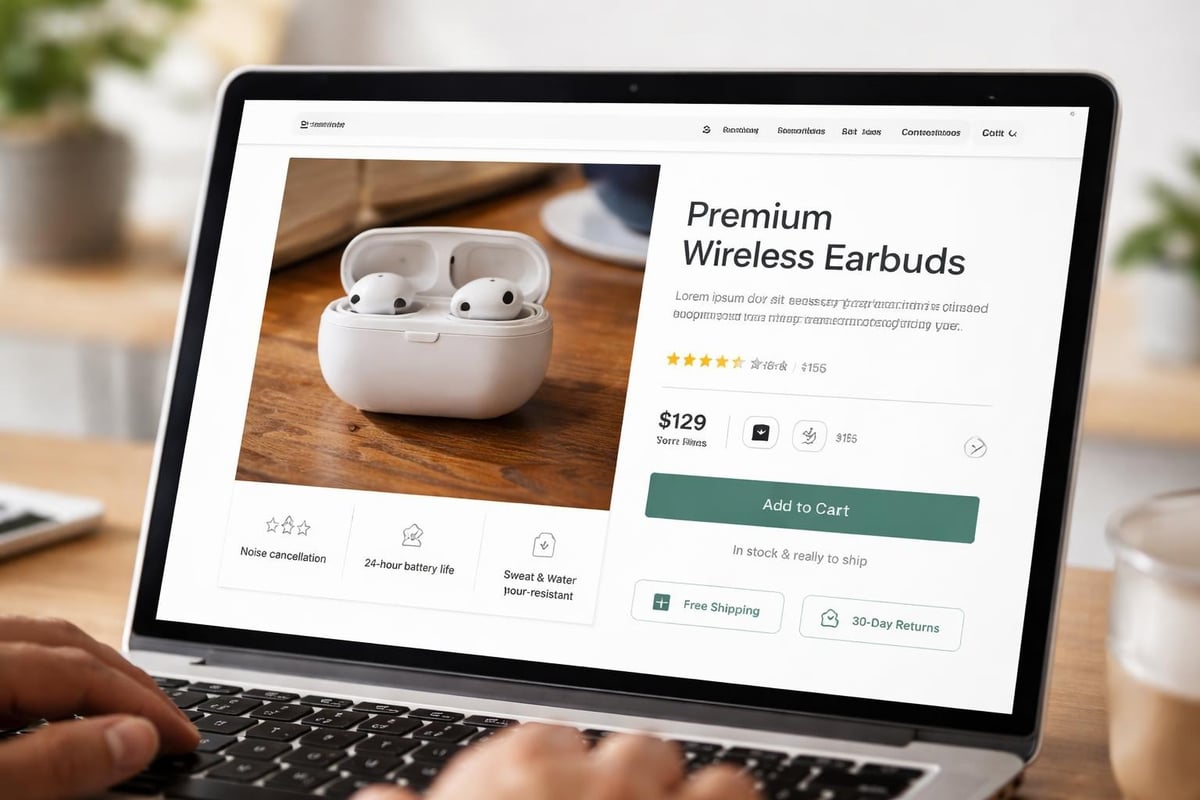
For stores offering product bundles, integrating Shopify bundles requires thoughtful design that clearly communicates value whilst maintaining usability. The shopify web designer must balance promotional messaging with product information without overwhelming customers.
Trust Signals and Social Proof
Online shoppers need reassurance before purchasing from unfamiliar brands. Strategic placement of trust signals throughout the shopping experience significantly impacts conversion rates.
| Trust Element | Implementation | Impact |
|---|---|---|
| Customer Reviews | Product page integration with photos and verified badges | 18-34% conversion increase |
| Security Badges | Checkout and cart pages | Reduces cart abandonment by 15-20% |
| Delivery Information | Product pages, cart, and sticky banners | Increases add-to-cart rates by 12-25% |
| Return Policy | Footer, product pages, and FAQ sections | Builds confidence in purchase decisions |
| About/Brand Story | Dedicated pages with founder photos and mission | Increases emotional connection and brand recall |
Professional designers position these elements strategically without cluttering interfaces. The design should guide customers naturally toward purchase whilst addressing objections preemptively.
Technical Performance and SEO Considerations
Beautiful design means nothing if your store loads slowly or ranks poorly in search results. A comprehensive shopify web designer integrates performance optimization and SEO-focused website design from the project's inception.
Speed Optimization Strategies
Page speed directly correlates with conversion rates and search rankings. According to TechRadar's 2026 Shopify review, Google's Core Web Vitals now significantly influence eCommerce search visibility, making performance a commercial priority rather than a technical afterthought.
Critical performance optimizations include:
- Image optimization with next-gen formats (WebP, AVIF)
- Lazy loading for below-the-fold content
- Minimizing JavaScript execution and third-party scripts
- Critical CSS inlining for above-the-fold content
- CDN utilization for global asset delivery
The shopify web designer should audit theme code for bloat, remove unused features, and implement performance budgets that prevent future degradation. Tools like Shopify's native performance reports help identify bottlenecks.
Search Engine Visibility
SEO begins with site architecture and design decisions. Professional designers create semantic HTML structures, optimize heading hierarchies, and implement structured data that helps search engines understand your content.
This includes designing URL structures, internal linking patterns, and navigation that distributes page authority effectively. For stores with extensive catalogs, faceted navigation and filter systems require careful implementation to avoid duplicate content issues.
When launching new stores or migrating platforms, working with specialists who understand Shopify migrations ensures SEO equity transfers successfully. Design decisions during migration-from URL mapping to redirect strategies-impact long-term organic performance.
Customization Versus Templates: Making the Right Choice
One of the most common questions brands face is whether to customize an existing theme or commission bespoke design. The right answer depends on your specific circumstances, budget, and growth trajectory.
When Premium Themes Make Sense
Premium Shopify themes offer excellent starting points for brands with straightforward requirements and limited budgets. Modern themes provide substantial customization options through theme settings without requiring code changes.
Themes work well for businesses with standard product catalogs, conventional customer journeys, and minimal integration requirements. They allow faster launches and include ongoing updates from theme developers.
However, themes have limitations. Achieving truly distinctive brand experiences within theme constraints proves challenging. As Charle Agency's design guide notes, strategic design significantly impacts conversion rates and brand perception-outcomes difficult to achieve with template modifications alone.
The Case for Custom Design
Bespoke Shopify design makes commercial sense when differentiation drives your value proposition, when specific functionality requirements exceed theme capabilities, or when you're scaling toward Shopify Plus territory with complex operational needs.
Custom design provides complete control over every aspect of user experience. A shopify web designer can craft unique product configurators, personalized recommendation engines, or industry-specific features that templates cannot accommodate.
The investment in custom design typically pays dividends through higher conversion rates, stronger brand recognition, and reduced technical debt. Rather than fighting theme limitations as your business grows, custom builds evolve alongside your requirements.
Working With a Shopify Web Designer: What to Expect
Understanding the collaboration process helps set realistic expectations and ensures project success. Professional agencies follow structured methodologies that balance creative exploration with commercial discipline.
Project Timeline and Phases
Typical Shopify design projects span 8-16 weeks depending on complexity. Simple redesigns with minimal custom functionality occupy the shorter end, whilst comprehensive builds with custom features extend longer.
Standard project phases include:
- Discovery (1-2 weeks): Research, strategy, and requirement gathering
- Design (3-4 weeks): Wireframing, visual design, and revision cycles
- Development (3-6 weeks): Theme building, custom functionality, and integration
- Testing (1-2 weeks): Quality assurance, device testing, and user acceptance
- Launch (1 week): Final checks, content population, and go-live
- Post-launch support (ongoing): Bug fixes, optimization, and enhancements
Agencies like those specializing in Shopify web design often include post-launch optimization periods where they monitor analytics and refine design elements based on real user behaviour.
Investment Considerations
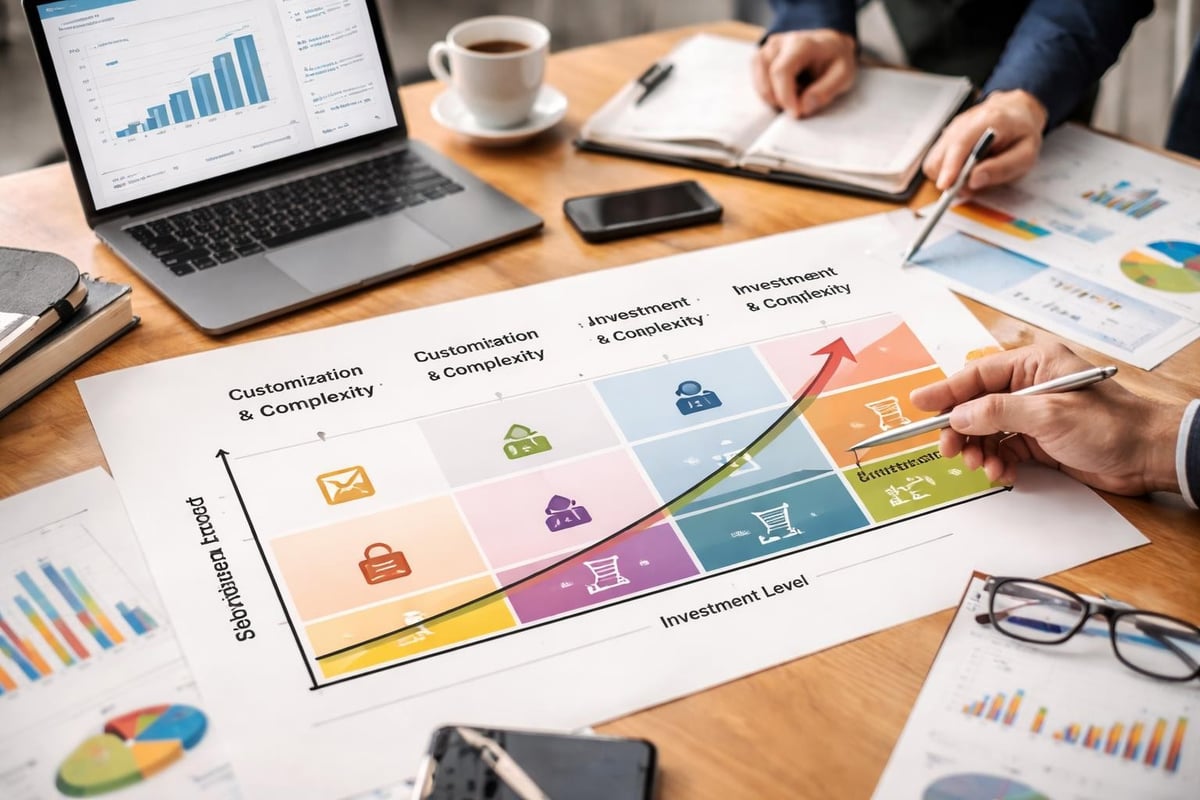
Shopify design costs vary dramatically based on scope, customization level, and agency experience. Template customization might start around £3,000-£8,000, whilst comprehensive custom builds for established brands range from £15,000-£50,000+.
This investment should be evaluated against potential revenue impact rather than purely as expense. A well-designed store improving conversion rate by just 1-2 percentage points often generates returns exceeding the design investment within months.
Beyond initial design, budget for ongoing Shopify support and optimization. eCommerce is never "finished"-continuous refinement based on data drives sustained performance improvements.
Measuring Design Success
Professional shopify web designers establish clear success metrics before projects begin. These typically combine conversion metrics, user experience indicators, and business outcomes.
Key performance indicators might include:
- Conversion rate improvements across devices
- Average order value changes
- Cart abandonment rate reductions
- Time on site and pages per session
- Bounce rate decreases for key landing pages
- Customer acquisition cost impacts
- Net Promoter Score and customer satisfaction metrics
Post-launch, agencies committed to results implement conversion rate optimization programs that systematically test design variations and iterate toward improved performance.
Emerging Trends in Shopify Web Design
The eCommerce design landscape evolves constantly. Staying current with emerging trends helps maintain competitive advantage, though not every trend suits every brand.
Personalization and Dynamic Content
Advanced Shopify stores increasingly leverage personalization engines that adapt content based on customer behaviour, purchase history, and browsing patterns. A sophisticated shopify web designer builds architectures that support these technologies.
This might include personalized product recommendations, dynamic homepage content that varies by customer segment, or customized email capture strategies based on referral source. The design must accommodate these variations without breaking visual consistency.
Sustainability and Transparency
Modern consumers increasingly value sustainability and ethical business practices. Design decisions can communicate these values through carbon-neutral shipping badges, transparent supply chain information, and sustainable packaging highlights.
Incorporating these elements requires thoughtful integration that enhances rather than clutters the shopping experience. The design should make sustainability feel central to brand identity rather than afterthought marketing.
Headless and Composable Commerce
For enterprises with complex requirements, headless Shopify implementations separate the backend commerce engine from frontend presentation. This approach provides ultimate design flexibility but requires significant technical expertise.
Whilst headless commerce offers advantages for brands with omnichannel strategies or unique frontend requirements, it introduces complexity that most businesses don't need. A knowledgeable shopify web designer helps evaluate whether headless architecture serves your specific circumstances.
Selecting Your Shopify Web Designer
Choosing the right design partner significantly impacts project outcomes. Beyond reviewing portfolios, assess cultural fit, process maturity, and strategic thinking.
Portfolio Evaluation Criteria
Strong portfolios demonstrate diversity in project types, measurable results for clients, and thoughtful problem-solving rather than just aesthetic appeal. Look for case studies explaining the strategic rationale behind design decisions and quantified business impacts.
Pay attention to how designers showcase work. Do they highlight conversion improvements, speed optimizations, and user experience enhancements? Or focus solely on visual aesthetics? The former indicates commercial maturity.
Resources like best eCommerce homepage design examples can help calibrate your expectations and identify design approaches that resonate with your brand vision.
Questions to Ask Prospective Designers
Effective discovery calls reveal whether agencies understand your specific challenges. Consider asking:
- How do you approach discovery and customer research for new projects?
- What metrics do you use to measure design success post-launch?
- How do you balance brand differentiation with eCommerce best practices?
- What's your process for mobile-first design and testing?
- How do you handle revisions and stakeholder feedback during design phases?
- What post-launch support and optimization do you provide?
- Can you share examples of stores you've designed in our industry or adjacent sectors?
The quality of their responses matters as much as portfolio work. Look for strategic thinking, clear processes, and genuine curiosity about your business rather than one-size-fits-all approaches.
Agency Versus Freelancer Considerations
Both agencies and freelance shopify web designers offer valid options depending on project scope and organizational needs. Agencies typically provide broader expertise across design, development, and digital marketing, alongside capacity to handle complex projects with multiple workstreams.
Freelancers often offer cost advantages for straightforward projects and direct communication with the person doing the work. However, they may lack specialized expertise across all required disciplines or capacity for large-scale projects.
For established brands with significant revenue at stake, agencies specializing in eCommerce-like those offering comprehensive Shopify development services-mitigate risk through cross-functional teams and proven methodologies.
Maximizing Your Design Investment
Getting the most value from your Shopify design project requires active participation, clear communication, and strategic thinking beyond the launch date.
Content Preparation and Strategy
Design quality depends heavily on content quality. Professional photography, compelling copywriting, and authentic brand storytelling elevate even modest designs, whilst poor content undermines expensive custom work.
Prepare content before design work begins when possible. This includes:
- Professional product photography from multiple angles
- Detailed product descriptions highlighting benefits over features
- Brand story content that connects emotionally with target customers
- Customer testimonials and case studies
- Educational content addressing common customer questions
For stores selling specialized products-from tools retailers like GereedschapXXL to niche markets like The Book Warehouse children's literature-product expertise shines through comprehensive, helpful content that guides purchase decisions.
Ongoing Optimization After Launch
Launch day represents the beginning rather than end of your design journey. The most successful eCommerce brands treat their Shopify stores as constantly evolving assets requiring continuous refinement.
Post-launch optimization includes A/B testing design variations, analyzing user behaviour through heatmaps and session recordings, refining content based on search queries, and iterating on underperforming pages. Many agencies offer retainer-based support that includes monthly optimization alongside technical maintenance.
Strategic consultation through services like Shopify Consultant helps identify growth opportunities across design, conversion, and customer experience as your business scales. This ongoing partnership ensures your store evolves alongside market conditions and customer expectations.
Integration With Broader Digital Strategy
Your Shopify store exists within a broader digital ecosystem. Maximum impact comes from integrating design with SEO strategies, email marketing, social commerce, and paid advertising.
A holistic shopify web designer considers how design decisions impact these channels. For instance, product page designs should accommodate social media shopping integrations, whilst collection pages need optimization for organic search traffic beyond paid campaigns.
This integration ensures consistent brand experiences across touchpoints and maximizes return on marketing investments by converting traffic effectively regardless of source.
Common Pitfalls to Avoid
Even well-intentioned Shopify projects encounter challenges. Awareness of common pitfalls helps navigate them successfully.
Over-Customization and Maintenance Burden
Whilst custom features differentiate your store, excessive customization creates technical debt that complicates updates and increases ongoing costs. Every custom element requires maintenance as Shopify evolves and apps update.
Work with your shopify web designer to identify which customizations deliver genuine business value versus those pursuing novelty. Standard solutions often prove more maintainable whilst achieving similar outcomes.
Ignoring Mobile-First Design
Despite mobile commerce representing the majority of eCommerce traffic, some brands still prioritize desktop experiences. This approach handicaps performance from launch.
According to SiteWired's 2026 best practices guide, designing mobile-first ensures optimal experiences on constrained screens whilst scaling gracefully to larger displays. The inverse approach often results in cramped, difficult mobile interfaces.
Neglecting Accessibility Standards
Accessible design isn't just ethical-it expands your addressable market and often improves usability for all customers. Professional designers implement WCAG 2.1 standards including proper heading hierarchies, sufficient color contrast, keyboard navigation, and screen reader compatibility.
These considerations integrate naturally when addressed from project inception but prove expensive to retrofit later. Prioritizing accessibility demonstrates brand values whilst future-proofing against regulatory requirements.
Finding a skilled shopify web designer who balances aesthetic excellence with commercial rigor transforms how your store performs and scales. The right partner brings strategic thinking, technical expertise, and commitment to measurable outcomes that justify design investment through improved conversion rates and customer experiences. Whether you're launching a new venture, redesigning an underperforming store, or scaling beyond your current platform's limitations, professional Shopify design creates the foundation for sustainable eCommerce growth. Futur Media specializes in conversion-focused Shopify web design for ambitious UK brands, combining strategic UX, performance-led builds, and ongoing optimization to create stores that drive measurable revenue growth.